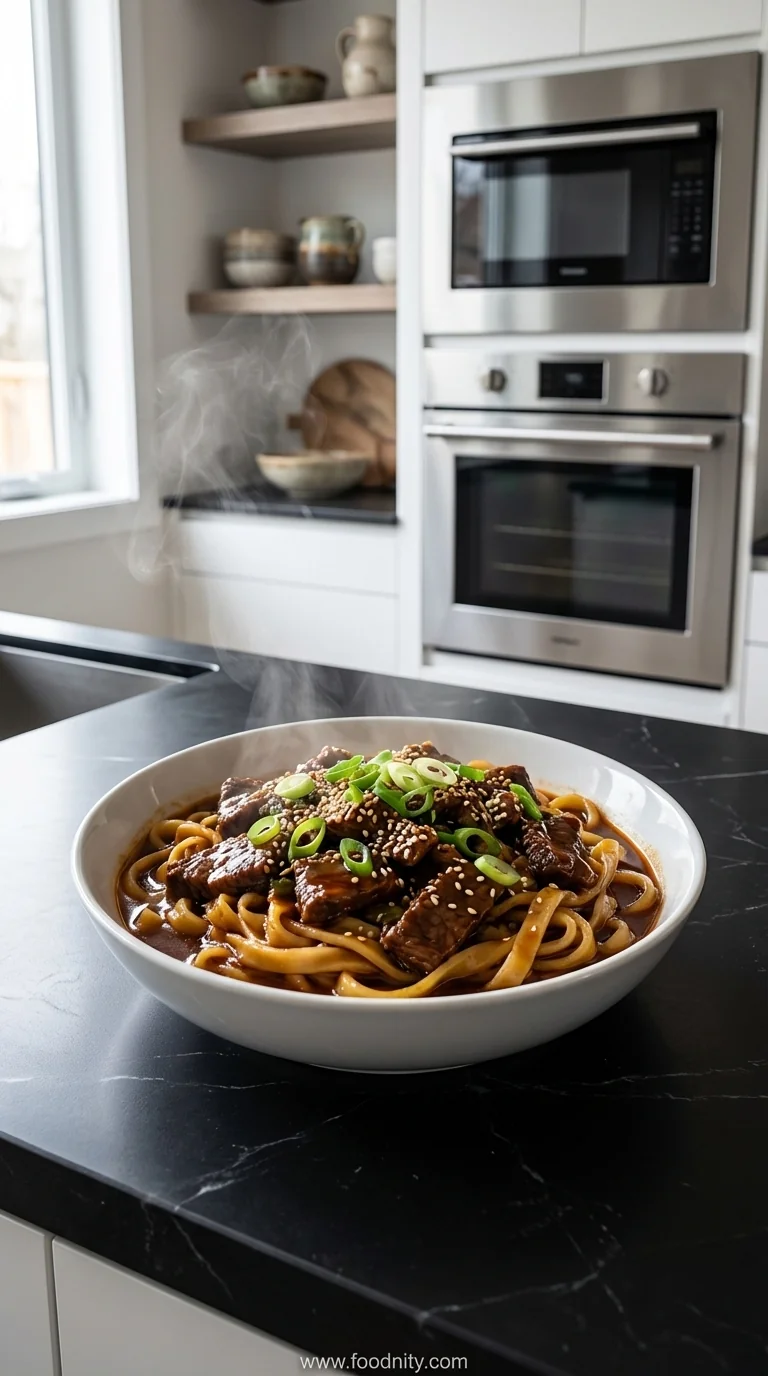
Korean noodle soups, known as guksu, have been a staple in the Korean peninsula for centuries, often served as a quick meal for workers or as a restorative dish after long journeys. The technique of slow‑cooking beef dates back to the Joseon era, where cuts of tougher meat were braised for hours to extract deep flavor. This recipe blends the time‑honored method with the simplicity of a modern slow cooker, creating a dish that honors tradition while fitting today’s busy lives.
Why You'll Love It
-
- Effortless set‑and‑forget cooking
-
- Deep, layered flavor from slow simmering
-
- Tender beef that falls apart on a fork
-
- Comforting warmth perfect for fall evenings
"The broth was so rich, I could taste each layer of garlic and ginger. My family asked for seconds!"
Essential Ingredient Guide
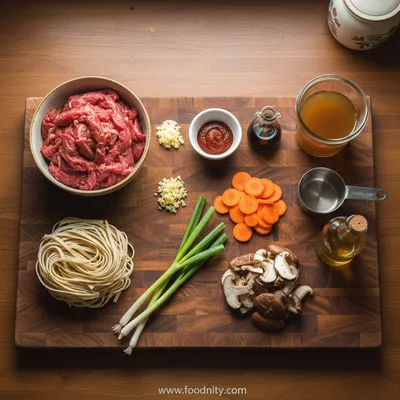
- Beef chuck: Choose well‑marbled chuck for melt‑in‑your‑mouth texture; trim excess fat but keep some for flavor.
- Korean chili paste (gochujang): Adds gentle heat and sweetness; adjust to taste.
- Soy sauce: Provides salty depth; use low‑sodium if you watch salt.
- Garlic and ginger: Freshly minced for aromatic foundation; adds warmth.
- Rice noodles: Stir in at the end so they soak up the broth without overcooking.
- Scallions: Thinly sliced for a fresh, crisp finish.
 Desserts & Baking
Blueberry Crumble Bars – Easy Homemade Dessert
Buttery blueberry crumble bars that are easy to bake and delightful to share.
Complete Cooking Process
-
Ingredient Readiness:
Trim the beef into bite‑size chunks, pat dry, and gather aromatics; this ensures even browning later.
-
Flavor Development:
Sear the beef briefly and toast garlic, ginger, and gochujang to release their fragrance before the slow cook.
-
Texture Control:
Add the broth and let the slow cooker work for 6‑8 hours, allowing collagen to break down for a silky mouthfeel.
-
Finishing Touches:
Stir in noodles just before serving, garnish with scallions and sesame oil for brightness.
-
Serving Timing:
Serve hot, ideally right after the noodles have softened, so the broth stays warm and inviting.
-
Brown the beef quickly; it adds a caramelized depth.
-
Use a mix of beef broth and water for balanced richness.
-
Adjust gochujang amount if you prefer milder heat.
-
Add a splash of rice vinegar at the end for subtle acidity.
Pro Tips
Honestly, these small tweaks make a big difference. I mean, the broth becomes a little brighter, and the noodles soak up just the right amount of flavor. So, yeah, take a moment to taste and adjust before plating.

The essence of the dish:
What makes this bowl special is the marriage of slow‑cooked, fork‑tender beef and the silky texture of rice noodles, all bathed in a broth that sings with garlic, ginger, and a whisper of sweet heat.
A fun fact or historical angle:
During the Korean War, soldiers often relied on simple beef broth with noodles for sustenance, a practice that evolved into today’s beloved gukbap.
Flavor or sensory focus:
You’ll notice the gentle sting of gochujang, the aromatic lift of ginger, and the comforting umami from simmered beef, all balanced by the soft chew of the noodles.
You Must Know
-
Never skip searing the beef – it builds flavor.
-
Add noodles at the very end to prevent overcooking.
-
Taste the broth before serving; adjust salt or heat.
Frequently Asked Questions
→ Can I use another cut of beef?
Yes, short ribs or brisket work well; just increase cooking time slightly to achieve tenderness.
→ What type of noodles are best?
Sturdy rice noodles or wheat‑based Korean noodles (somyeon) hold up nicely in broth.
→ Is it possible to make this on the stovetop?
Absolutely – simmer the broth and beef in a covered pot for 2‑3 hours until tender, then add noodles.
→ How spicy is the dish?
The heat is mild to medium, coming from gochujang; you can reduce or increase it to taste.
→ Can I freeze leftovers?
Yes, store the broth and beef separately from noodles; reheat and add fresh noodles when serving.
→ What side dishes pair well?
A simple kimchi or cucumber salad adds crisp contrast to the rich broth.
Nutrition Facts
per serving
420
Calories
32g
Protein
38g
Carbs
15g
Fat
Taste Profile
A warm, savory bowl with gentle heat and rich depth
Ingredient Substitutions
Don't have an ingredient? Try these alternatives
These cuts also become tender but may need a bit longer cooking.
Provides similar umami and heat without the exact flavor profile.
Recipe Variations
Try these delicious twists on the original
Spicy Version
Add extra gochujang and a pinch of crushed red pepper flakes for a bold kick.
Mediterranean Style
Swap gochujang for harissa, garnish with feta and olives for a fusion twist.
Common Mistakes to Avoid
Learn from others' mistakes for perfect results
- Skipping the sear, which leaves the broth flat.
- Adding noodles too early; they become mushy.
- Using too much gochujang, overpowering the subtle broth.
Meal Prep & Storage
Make Ahead Tips
You can brown the beef and prep the aromatics a day ahead; store the broth in the fridge and add noodles when ready to serve.
Leftover Ideas
Reheat broth and beef gently on the stove, then add fresh noodles for a quick second meal.
Perfect Pairings
Serve this with...
Cooking Timeline
Season and sear beef; prep aromatics and vegetables.
Transfer ingredients to slow cooker and start cooking on low.
Let the broth develop flavor; occasionally stir if needed.
Soak noodles and add to the hot broth.
Garnish with scallions, sesame seeds, and drizzle sesame oil.
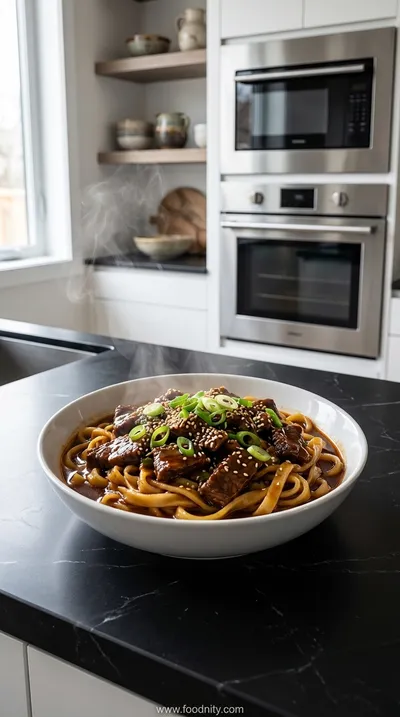
Korean Beef Noodles – Slow Cooker Comfort
A cozy bowl of Korean beef noodles simmered low and slow, offering melt‑in‑your‑mouth beef, fragrant broth, and perfectly tender noodles – the ultimate comfort for a chilly evening.
Timing
Prep Time
15 Minutes
Cook Time
6 Hours
Total Time
6 Hours 15 Minutes
Recipe Details
Ingredients
Main Ingredients
-
01
2 lbs beef chuck, cut into 1‑inch cubes
-
02
8 oz rice noodles
-
03
4 cups beef broth
-
04
2 tbsp gochujang (Korean chili paste)
-
05
3 tbsp soy sauce
-
06
1 tbsp sesame oil
-
07
4 cloves garlic, minced
-
08
2 tsp fresh ginger, grated
-
09
1 carrot, thinly sliced
-
10
1 small onion, sliced
For the Garnish
-
01
2 scallions, thinly sliced
-
02
1 tsp toasted sesame seeds
-
03
A drizzle of sesame oil
Instructions
Season the beef cubes with a pinch of salt and pepper, then toss with 1 tbsp soy sauce.
In a skillet, heat 1 tbsp sesame oil over medium‑high heat. Brown the beef in batches – this only takes a couple of minutes per side; oops, don’t overcrowd the pan.
Transfer browned beef to the slow cooker. Add garlic, ginger, gochujang, remaining soy sauce, beef broth, onion, and carrot.
Cover and cook on low for 6‑8 hours, or on high for 4 hours, until the meat is fork‑tender.
About 15 minutes before serving, soak the rice noodles in hot water until softened, then drain.
Stir the noodles into the broth, let sit for a couple of minutes to absorb flavor, then ladle into bowls.
Garnish each bowl with scallions, sesame seeds, and a quick drizzle of sesame oil. Serve hot.
Notes & Tips
-
1
If the broth seems thin, mash a few of the beef pieces to release more gelatin.
-
2
Adjust the amount of gochujang for your preferred spice level.
-
3
For a richer broth, add a splash of mushroom soy sauce.
Tools You'll Need
-
Slow cooker
-
Large skillet
-
Sharp knife
-
Cutting board
-
Measuring spoons
-
Bowls for serving
Must-Know Tips
-
Don’t skip browning the beef; it builds a deep flavor base.
-
Add noodles only at the end to keep them from getting mushy.
-
Taste and adjust seasoning before serving.
Professional Secrets
-
Room‑temperature beef sears more evenly, ensuring a nice crust.
-
Low‑and‑slow heat extracts collagen, giving a silky mouthfeel.
-
Finishing with toasted sesame oil adds a fragrant lift.
Recipe by
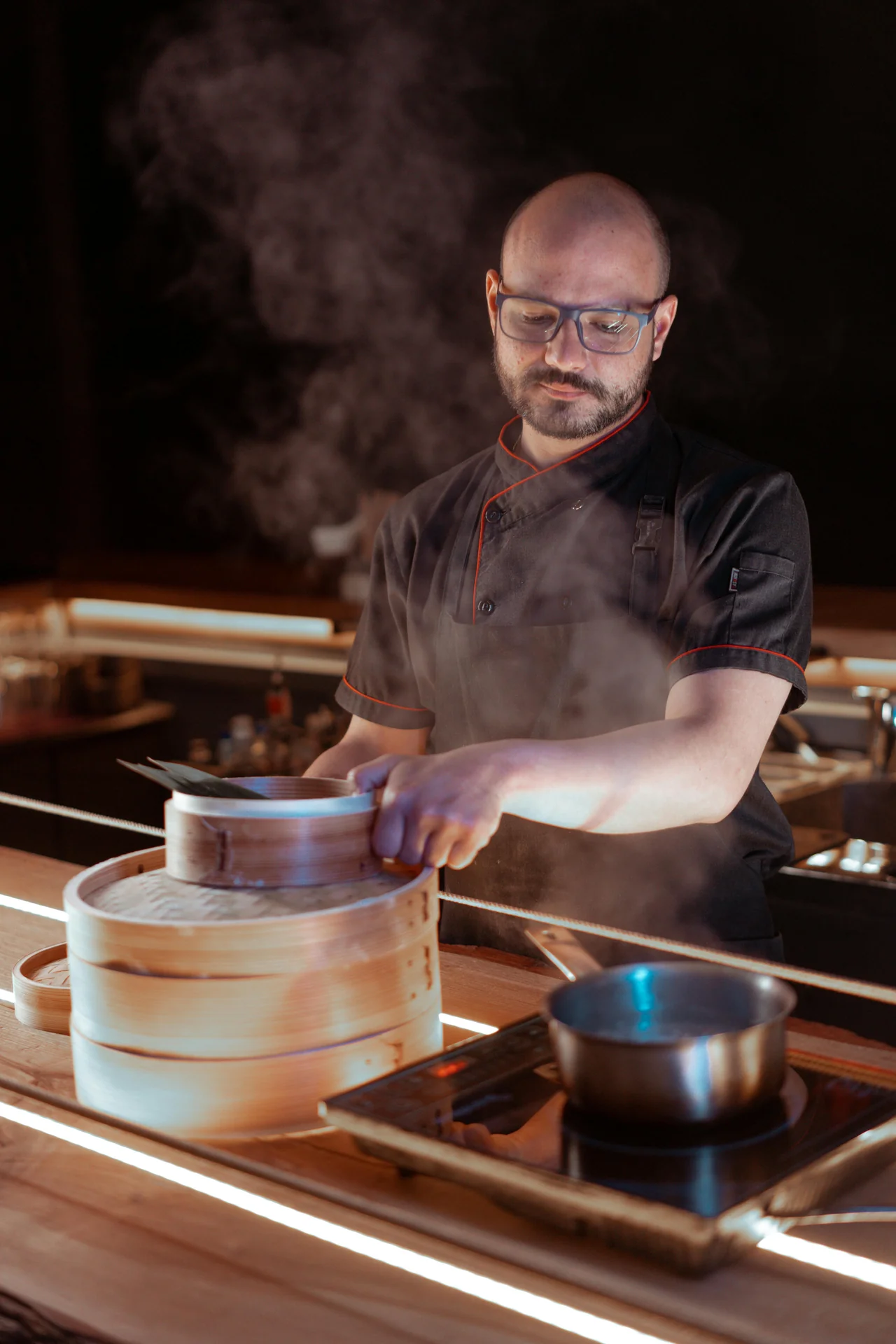
Rachel MorganChef Rachel Morgan is known for her practical cooking style that helps busy families prepare delicious meals in a short time. Her recipes focus on sim ...
Get Delicious Recipes Weekly
Join 25,000+ home cooks getting our best recipes straight to their inbox.
Free forever • No spam • Unsubscribe anytime